molly springfield
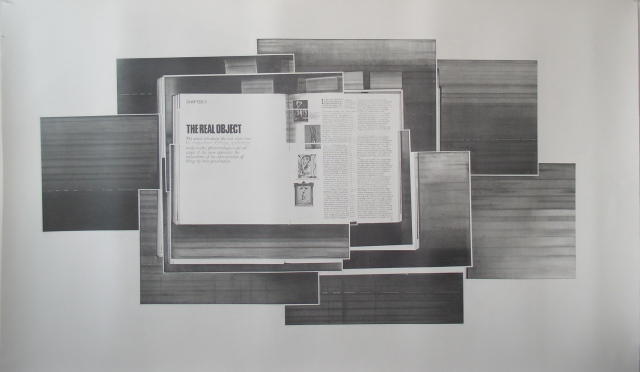
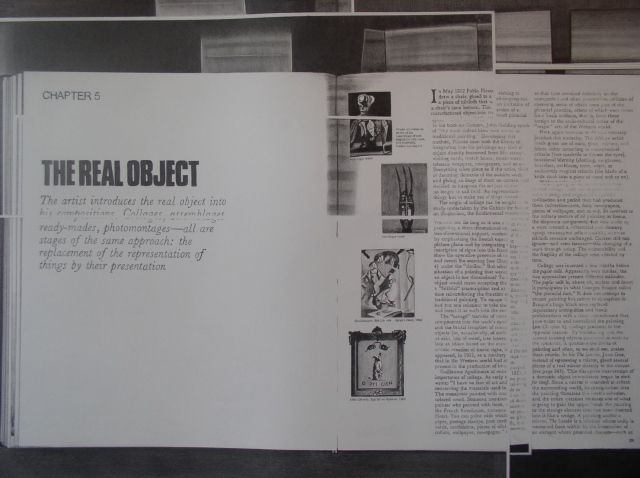
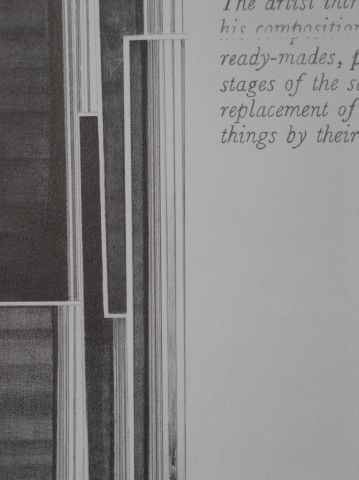
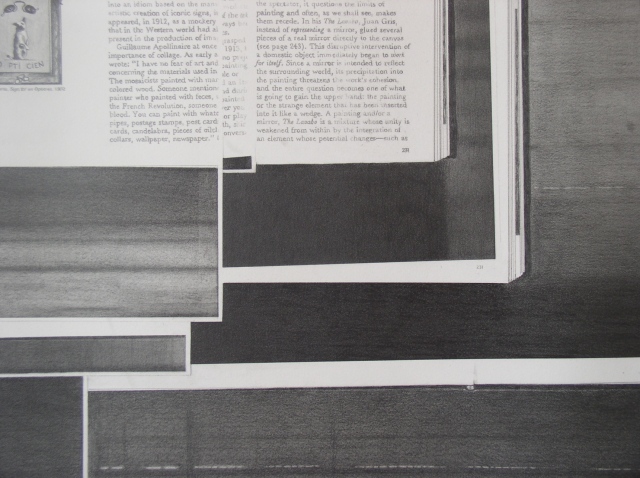
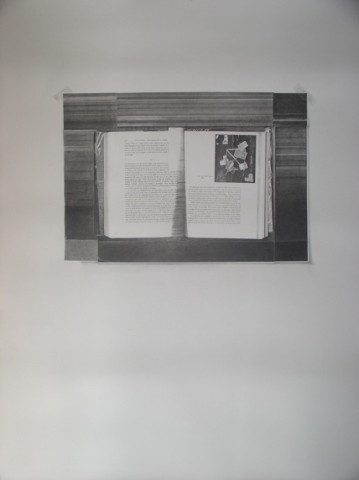
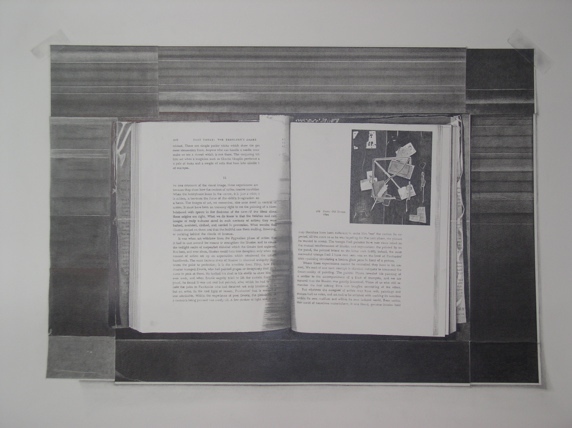
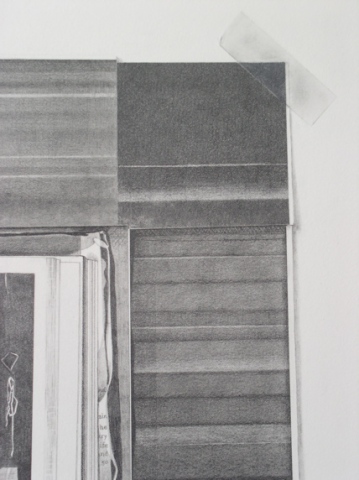
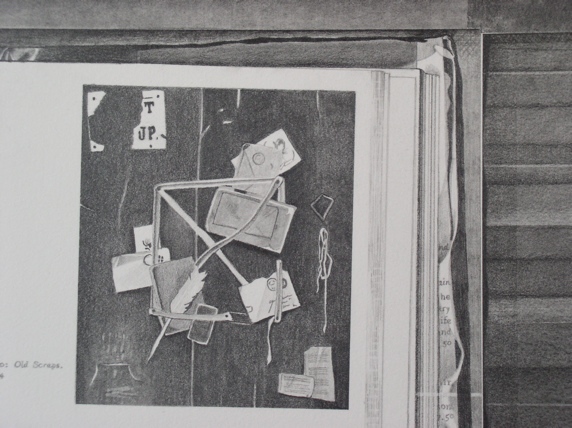
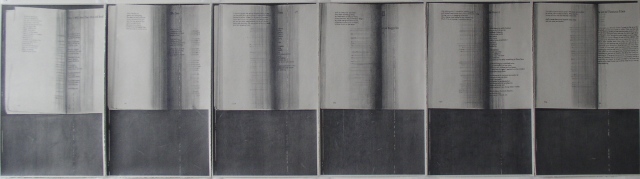
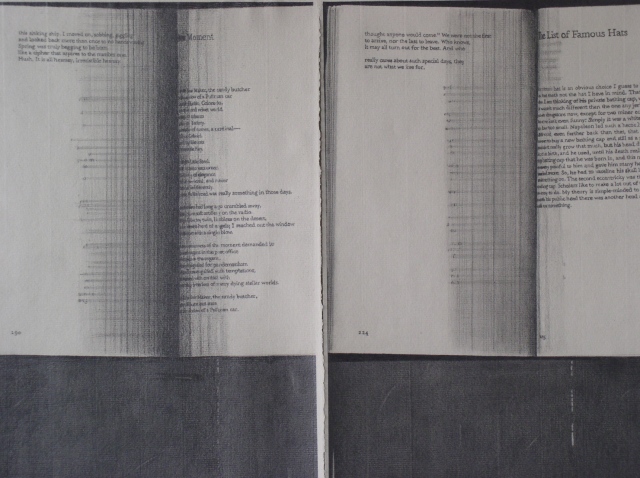
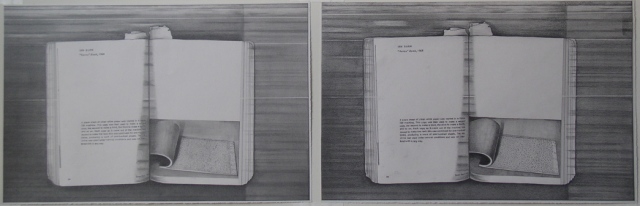
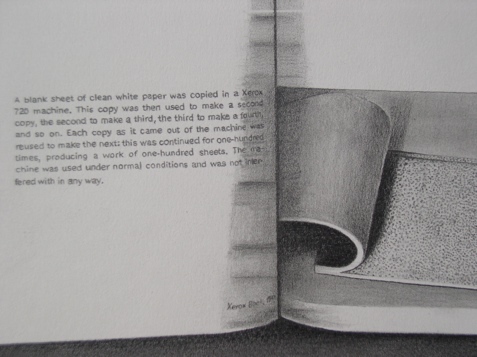
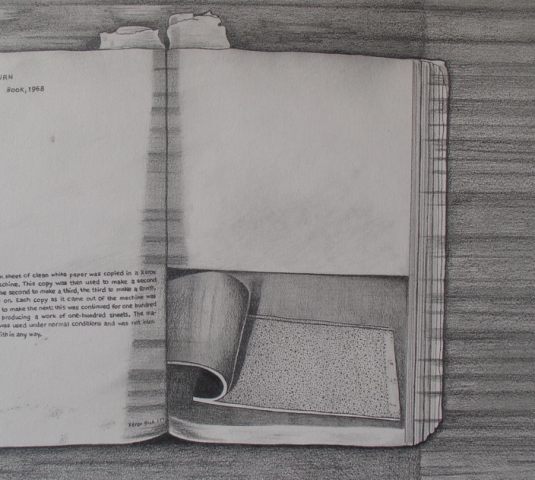
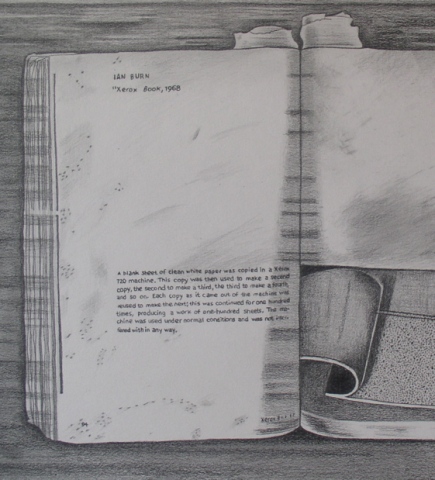
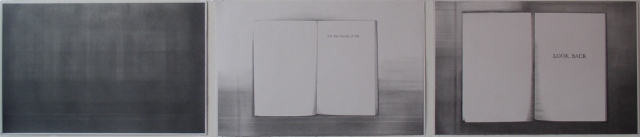
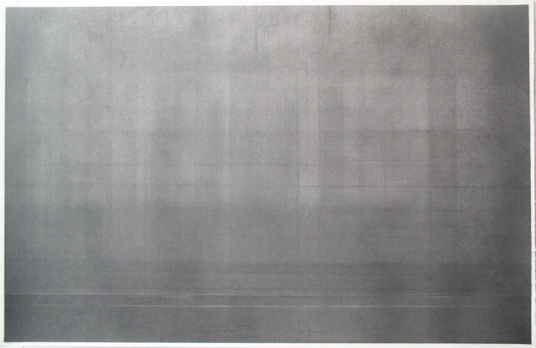
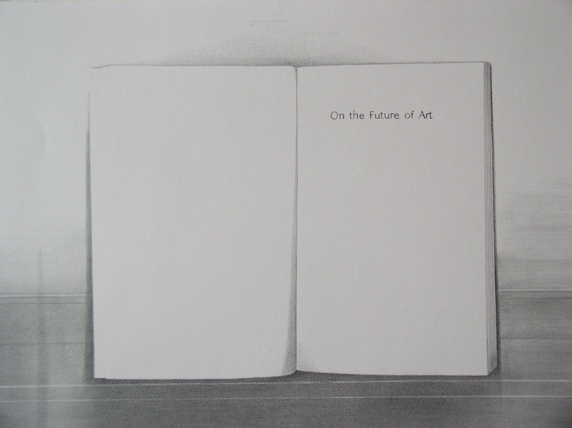
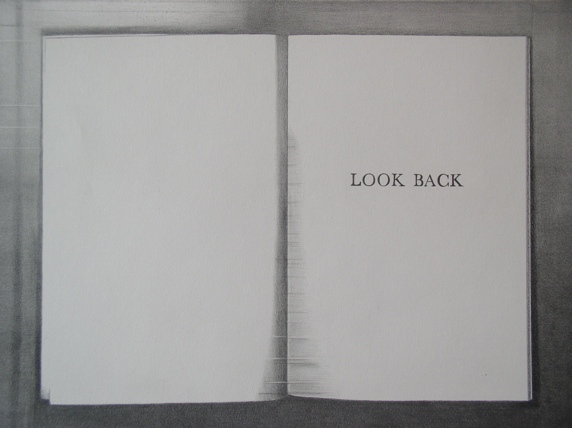
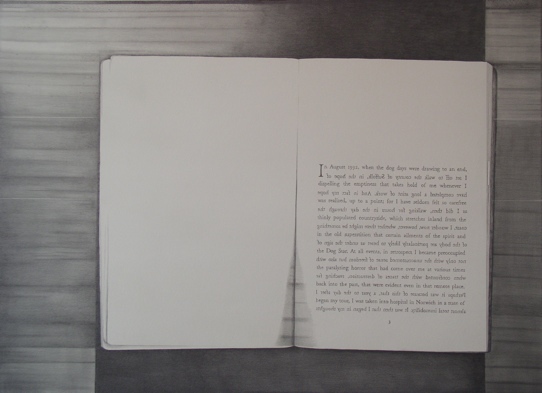
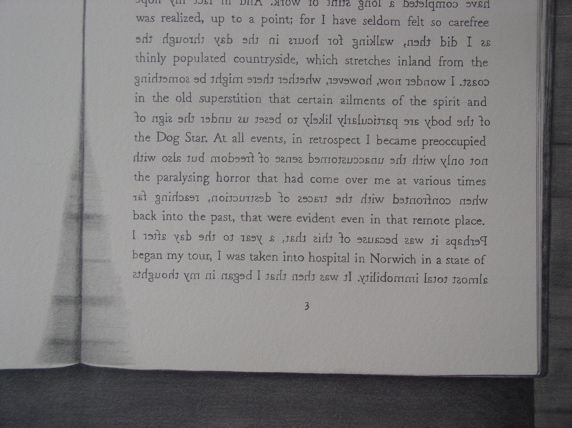
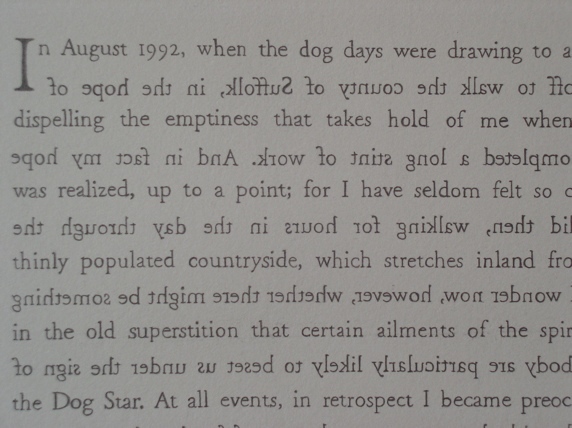
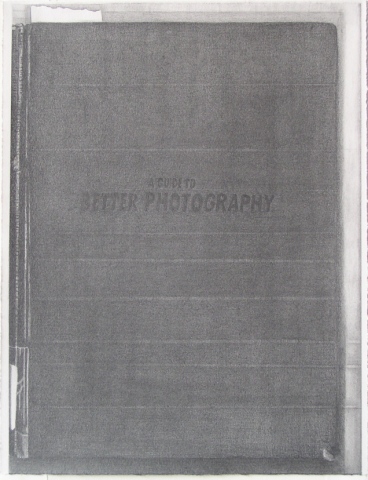
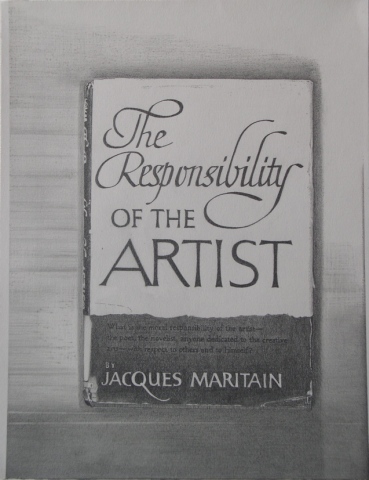
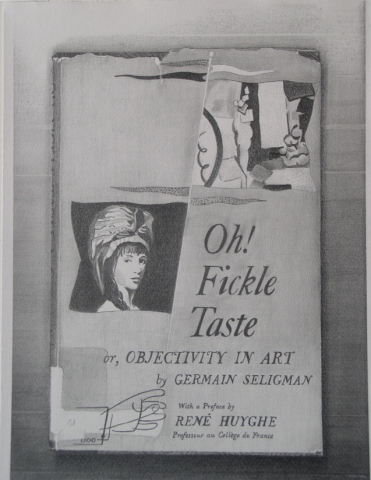
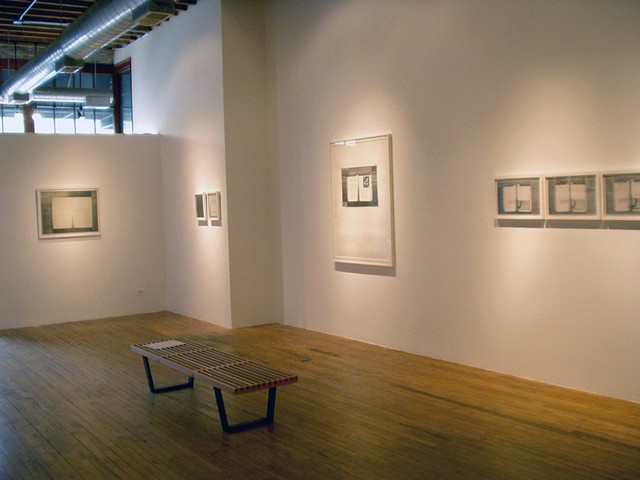
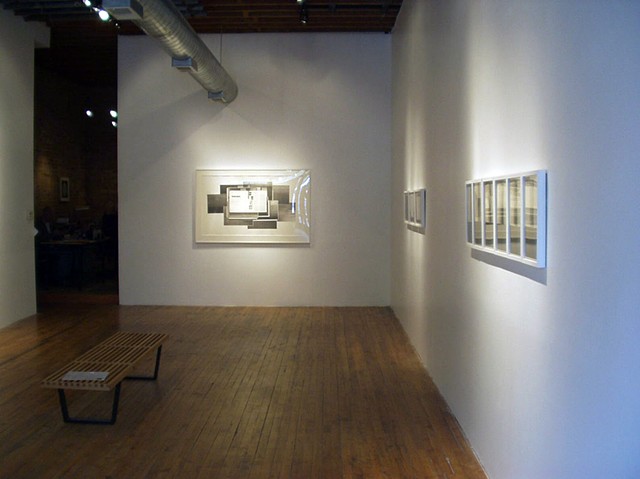
Installation view of The Real Object at Thomas Robertello Gallery, Chicago, April 27-June 2, 2007. The Real Object The Real Object (detail) The Real Object (detail) The Real Object (detail) The Real Object (detail) Old Scraps Old Scraps (detail) Old Scraps (detail) Old Scraps (detail) Old Scraps (detail) Selected Poems (James Tate) Selected Poems (James Tate) (detail) Untitled (Xerox Book, 1968) Untitled (Xerox Book, 1968) detail Untitled (Xerox Book, 1968) detail Untitled (Xerox Book, 1968) detail Untitled (Xerox Book, 1968) detail The Future of Art The Future of Art (detail) The Future of Art (detail) The Future of Art (detail) The Rings of Saturn (Boustrophedon) The Rings of Saturn (Boustrophedon) detail The Rings of Saturn (Boustrophedon) detail The Rings of Saturn (Boustrophedon) detail The Natural Way to Draw A Guide to Better Photography The Responsibility of the Artist Oh! Fickle Taste Installation view of The Real Object at Thomas Robertello Gallery, Chicago, April 27-June 2, 2007. Installation view of The Real Object at Thomas Robertello Gallery, Chicago, April 27-June 2, 2007.
The Real Object
Thomas Robertello Gallery, Chicago
April 27-June 2, 2007
gallery press release:

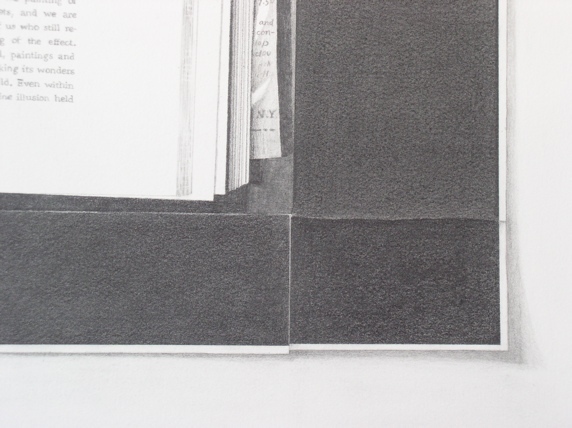
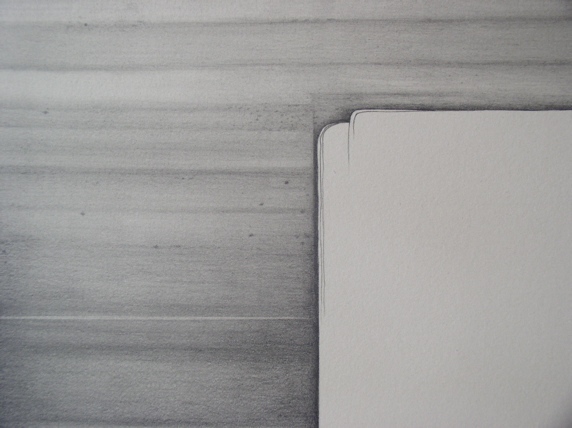
Thomas Robertello Gallery is pleased to present "The Real Object," an exhibition of new drawings by Molly Springfield. For the past two years, Springfield has embarked on a singularly focused project: making painstaking graphite drawings of photocopies of books—copies of copies that meditate on questions of originality, reproduction, and meaning. The obvious labor involved in each drawing evokes, as San Francisco critic Glen Helfand has put it, “an existential sense of futility. All that time and effort, and for what?”

In this latest series of works, Springfield ups the ante. The drawings are larger in scale and more ambitious, but they also conform to a set of self-imposed restrictions. The pages that appear in the drawings are carefully chosen— from books on the history of art or books with personal significance to the artist—and the content of the pages, in turn, dictates the form of the drawings. In some of the pieces, this relationship is made explicit; in others, less so. At the same time, the works address themes that have always preoccupied Springfield—reading versus seeing, technology versus labor, memory versus nostalgia, digital versus analog, pencil versus print.
BACK TO PROJECTS