molly springfield
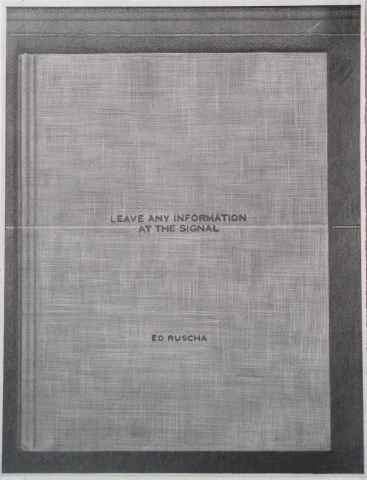
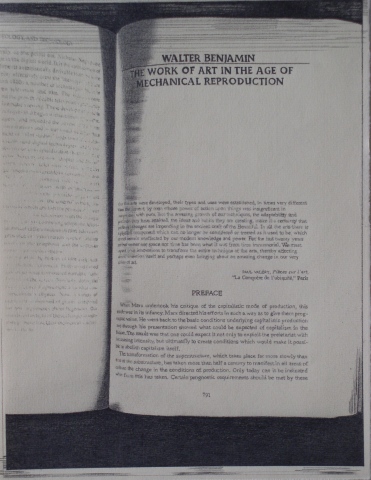
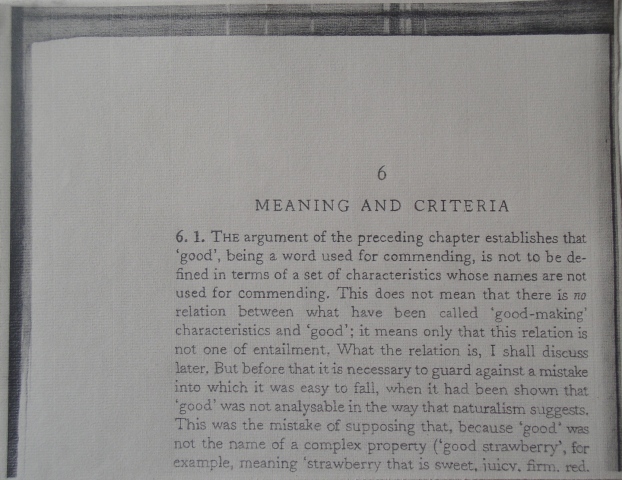
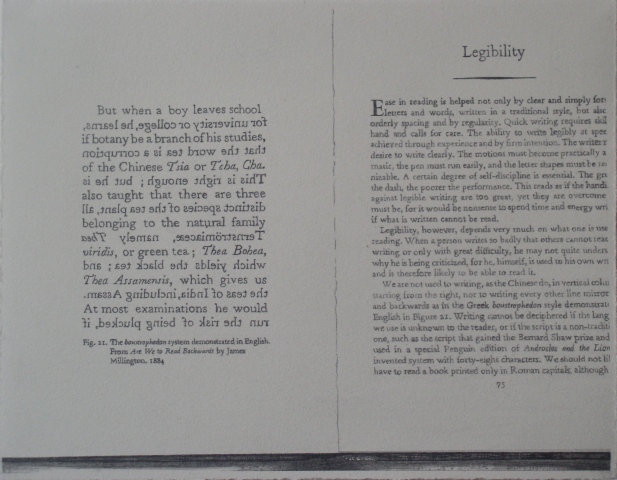
Untitled (detail) Untitled (detail) Untitled (detail) Hiroshima Hiroshima (detail) Desert-Galaxy Desert-Galaxy (detail) Leave Any Information At The Signal mode of production Meaning and Criteria Legibility Legibility (detail) if and only if Hang Up The Elements of Style they go on telling you just the same thing forever The Idea of Perfection Primary Information Primary Information (detail) Facsimile Facsimile (detail) The Return of the Real This moment in the story The example of the Syllogism The example of the Syllogism (detail) Without A Primer of Cataloguing All Ideas Are True
Drawings of Photocopies of Books (2005-2008)
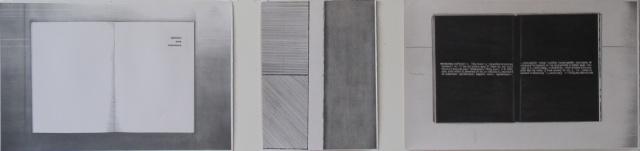
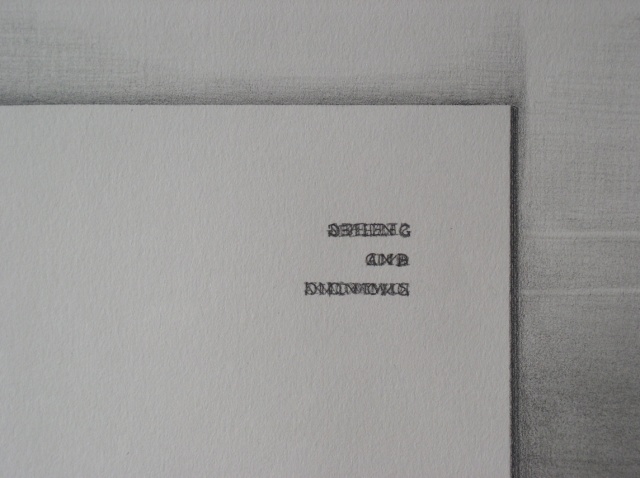
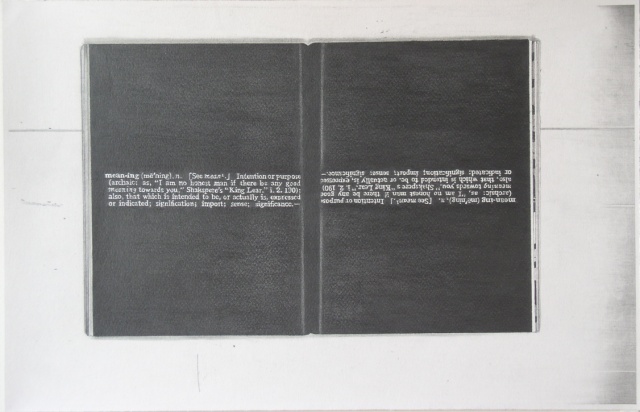
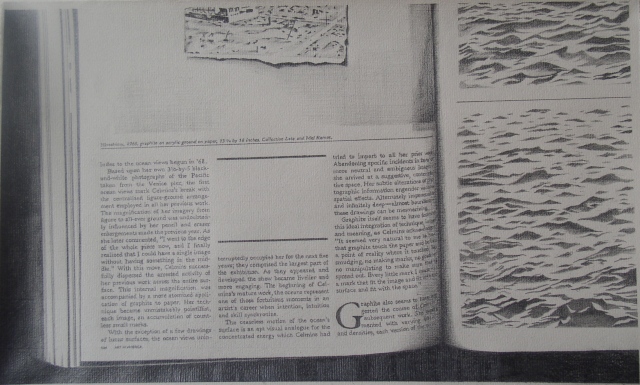
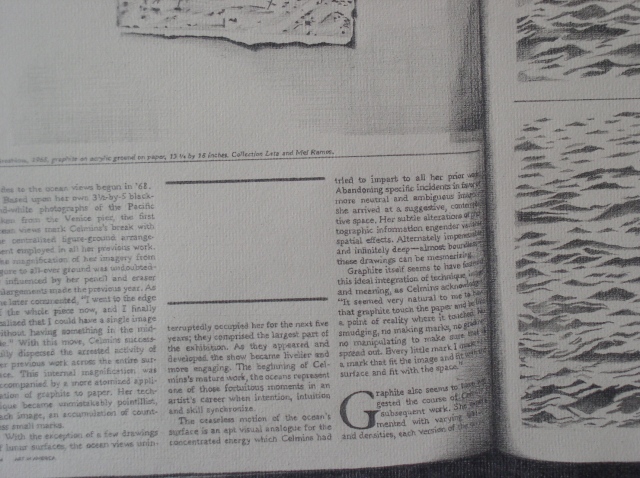
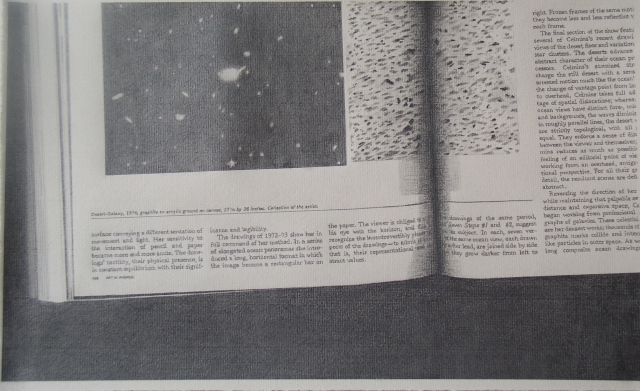
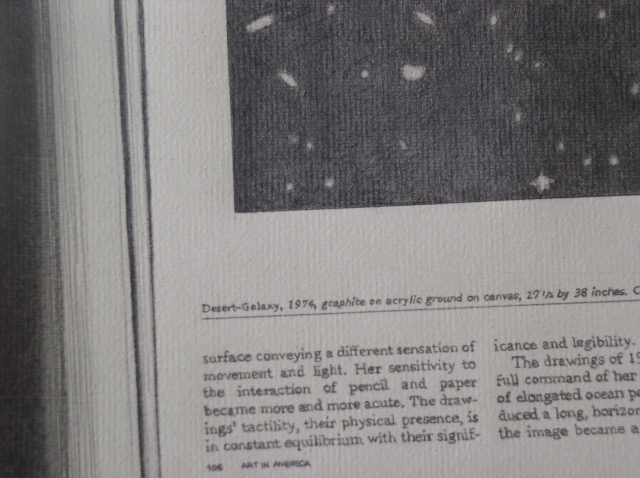
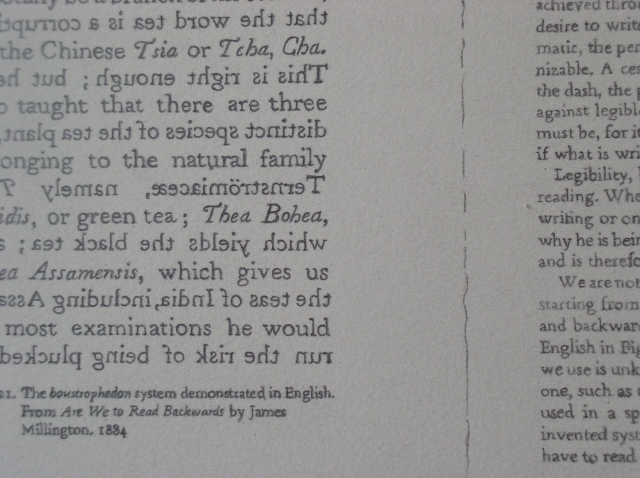
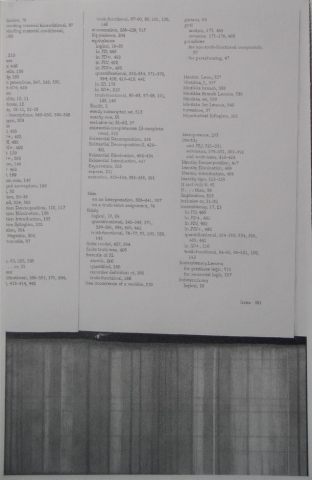
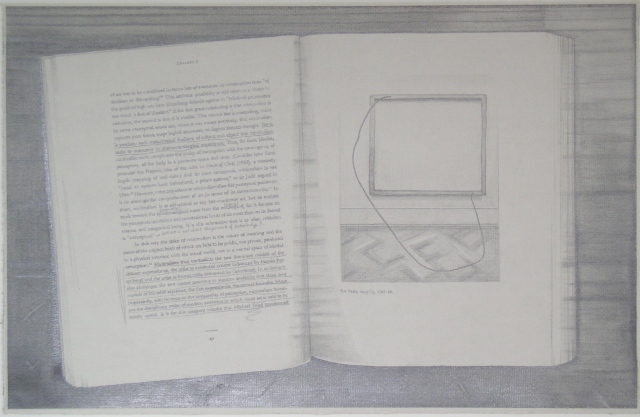
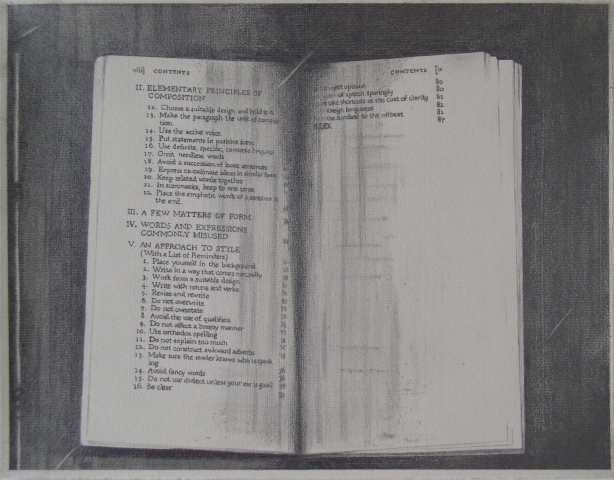
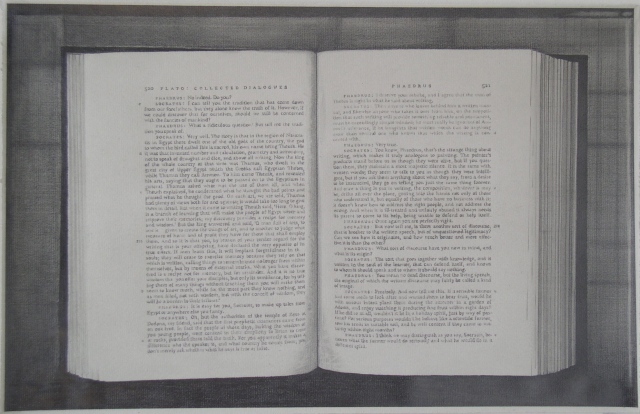
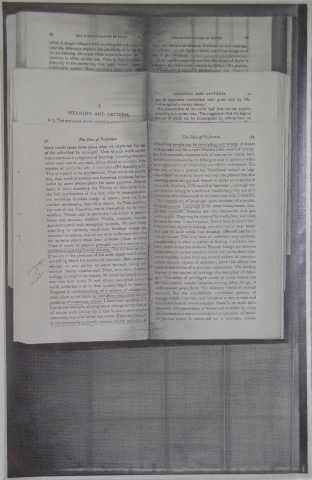
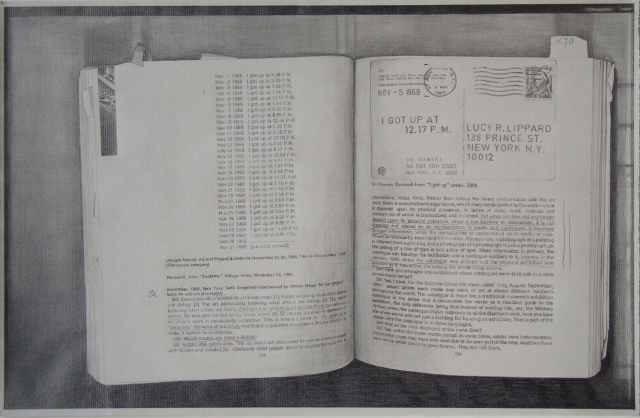
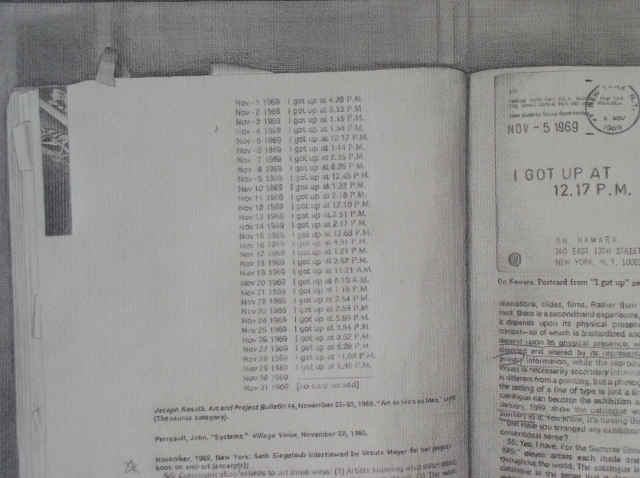
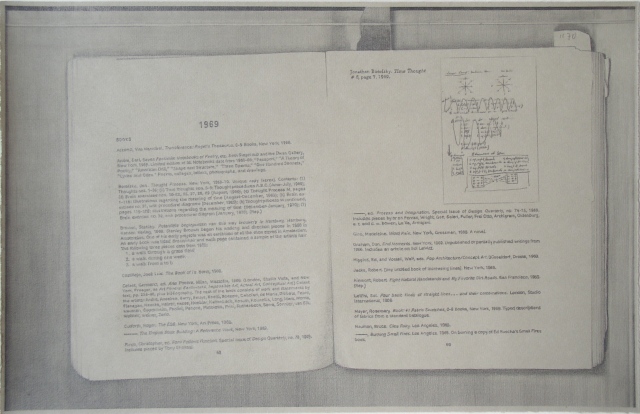
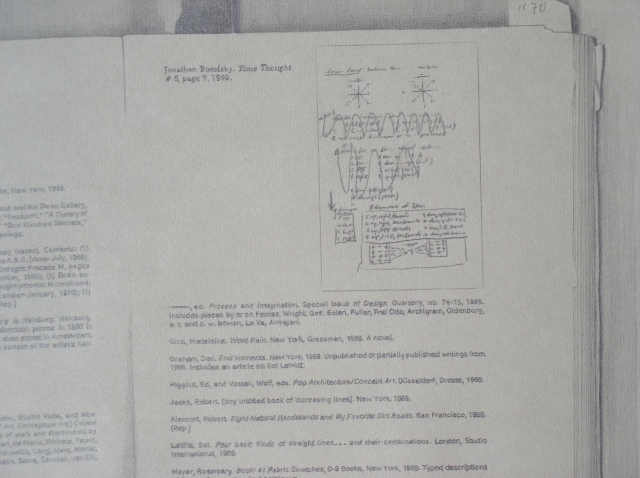
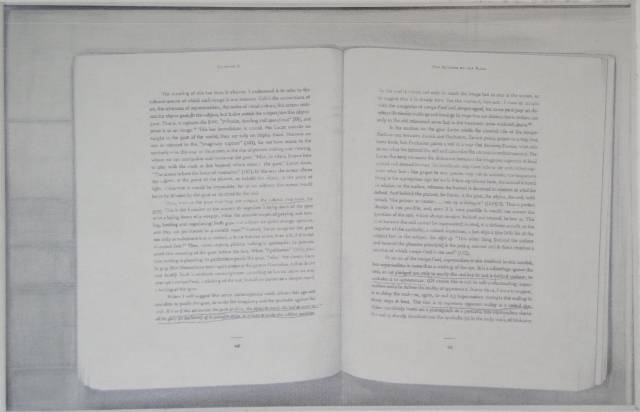
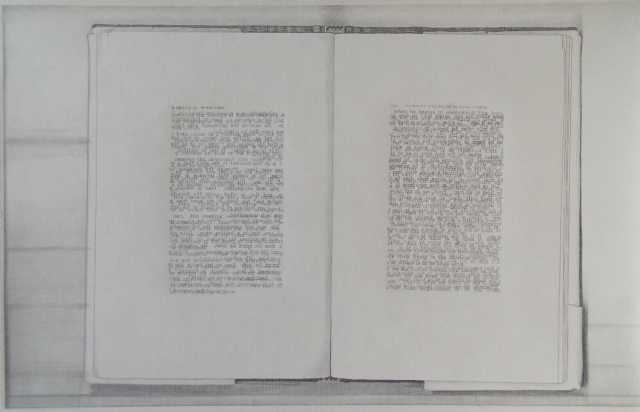
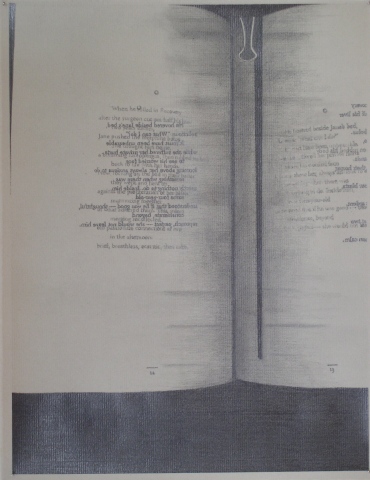
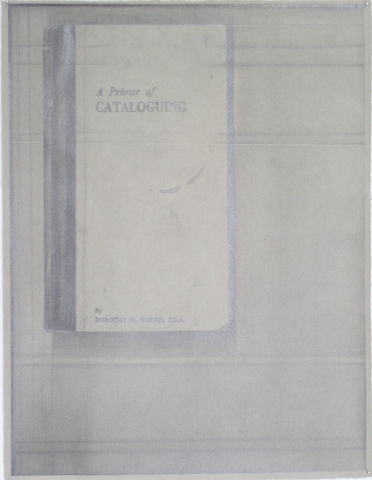
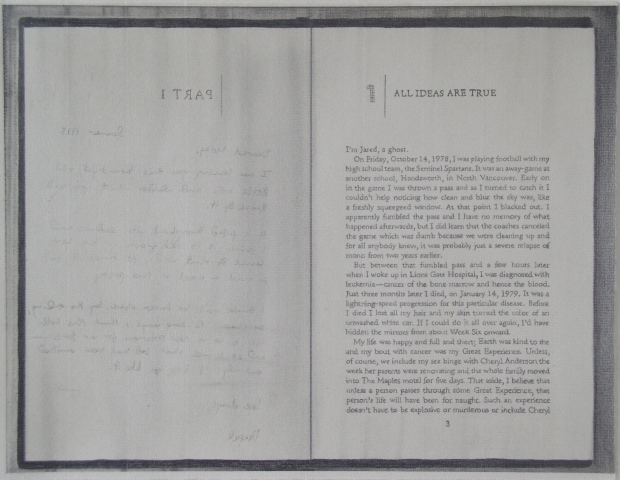
"In this body of work, Springfield continues to confuse the activities of reading and viewing and writing and drawing by using pages of text from books on art and philosophy as the subject of her dry and scrupulously-rendered graphite drawings. Springfield is part photorealist, part conceptual draughtsman. Her drawings are crisp, beautiful recreations of the text page which ruminate on the notions of originality, intent and meaning in language and signification. By working from sloppy Xeroxes, Springfield loads the deck in her poker game with representation and reality by absenting the original document." (Steven Wolf)

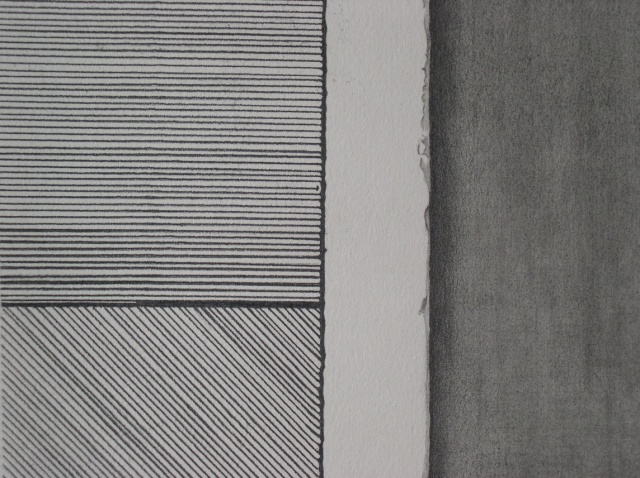
"These works gain their power from the way Springfield lavishes attention on the tiny though often legible typefaces. You can read them if you're so inclined ... Astute readers will note a spread from Elements of Style ("11. Don't explain too much"). The artist engages language as an aspect of conceptual art in the same way that, say, Eva Hesse did by making wall works that extended from the wall. In fact, one of Springfield's drawings, Hang Up (2005), includes an illustration of Hesse's similarly titled 1965-'66 piece. The younger artist's act is as much a gesture of hero worship as an act of self-conscious art referencing. . . . But Springfield also pays close attention to the gray areas of visual noise and distortion introduced by electronics, where there's no book and the copier has photographed itself. In these regions abstraction takes over. It's a gray area where the drawing becomes a transcendent, meditative site..." (Glen Helfand)

Profile by Huan Hsu: Part I, Part II

Review by Glen Helfand
BACK TO PROJECTS